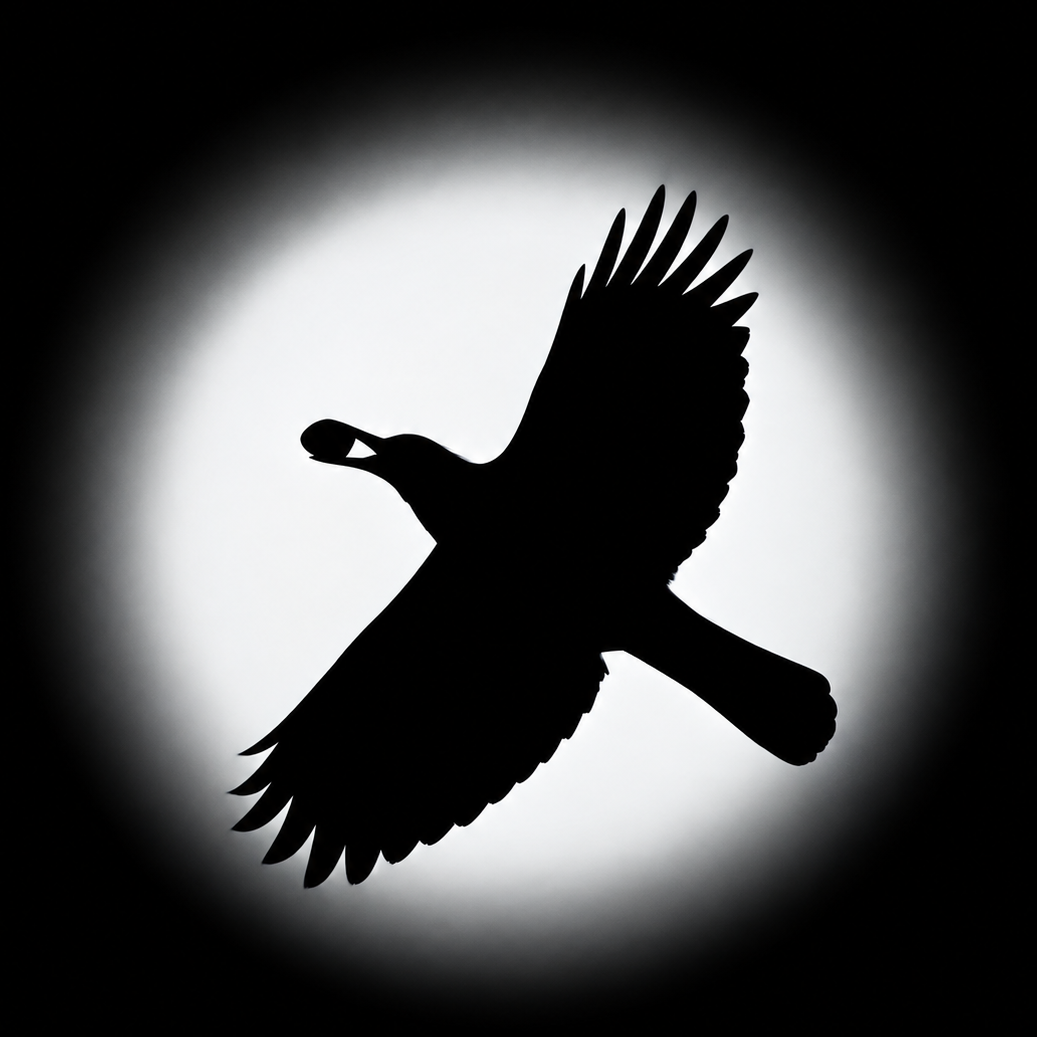
BEHIND THE SHOT – THE ART OF BEING INVISIBLE! Into the wild. Out of sight. Closer to nature. Long before the shutter clicks, the adventure has already begun. Deep in the forests, hidden among reeds, or floating silently across a remote lake, I spend countless hours trying to become just another part of the wilderness. For me, wildlife photography is about much more than pointing a camera at an animal. It`s about entering their world. On their terms.
🦆 ON THE WATER Sometimes, getting close to wildlife means leaving solid ground behind. My homemade floating hide, built around a belly-boat, allows me to explore the world of waterbirds from their own perspective. Just inches above the water, surrounded by silence, waiting for nature to reveal itself.
🌲 IN THE SHADOWS Deep in the woods, behind camouflage nets or inside a tiny photographic hide, patience becomes your greatest weapon. Hours pass. The forest slowly forgets you`re there. And if you`re lucky, something extraordinary happens.
⛺ BEYOND THE TRAILS Some adventures last a few hours. Others take me deep into the wilderness for days. A small tent, a sleeping bag, a camera and the essentials. Far from the crowds, surrounded by forests, wildlife and the sounds of nature. No schedules. No guarantees. Just the freedom to explore.
THE WILDERNESS MAKES THE RULES. Wildlife doesn`t perform on command. There are no second takes, no guarantees of success. Sometimes you return with photographs you`ve dreamed of for years. Sometimes you return with nothing but wet boots, aching muscles and memories that will last a lifetime. And that`s the beauty of it. Because the greatest reward isn`t always the photograph.
It`s being there when the wild comes alive. And no matter how far the adventure takes me, one rule never changes: Respect the wildlife, protect its habitat and leave nothing behind but footprints.
🌍 WANT TO EXPLORE FURTHER? Visit my website for more wildlife photography, stories from the wilderness, photography techniques, equipment and adventures.
I`m Danish, born and raised in Denmark, where I`m still based today. For more than 20 years, I`ve been exploring the natural world through my camera, driven by a passion for wildlife, wilderness and adventure.
Most of my photography takes place in Denmark, from the familiar landscapes close to home to wild and remote corners of the country. I also frequently travel to Sweden, exploring its vast forests and wilderness areas, and occasionally venture further into Europe in search of new experiences.
For me, wildlife photography has never been just about getting the perfect shot.
It`s about the adventure. The silence of the forest. The unexpected encounters. The early mornings, the long hikes, and those unforgettable moments when nature reveals something extraordinary.
Sometimes I return home with amazing photographs. Sometimes with nothing but muddy boots, tired legs and another great story to tell. And that`s perfectly fine. Because the adventure itself is always worth it.
Through this account, I share my photographs, experiences, adventures and lessons learned along the way.
**WANT TO EXPLORE MORE?**
There`s a lot more to discover beyond Instagram! Visit my website for more wildlife photography, stories from the field, photography tips, gear, and an interactive map of some of the wild places I`ve explored.
🌍 **www.k-dannerbo-wildlife.dk** 🔗 You`ll find the link in my bio!
Welcome to my world. I hope you`ll join me on the next adventure!
Even though the Common Blackbird (Turdus merula) is far from rare, it’s incredibly shy—especially out here in the countryside. Getting a good close-up is always a patient waiting game!
Beautiful bird, sunset, and autumn colors. Sometimes everything just comes together perfectly. Like when this stunning Eurasian jay (Garrulus glandarius) posed for me in the most beautiful light!
All summer long, we’ve shared our garden with a colony of European hornets (Vespa crabro) living inside our old, hollow apple tree 🍏🐝 They have been the most peaceful and helpful neighbors, keeping our yard practically free from common wasps and other annoying pests. Nature really is the best pest control!
Another shot of the beautiful Common Kestrel (Falco tinnunculus), who unfortunately decided to "entertain" me by getting zapped by an electric fence. ⚡️(Check out my previous Reel) As you can see here, the bird is doing completely fine 😊
I often notice that cormorants (Phalacrocorax carbo) seem to have a "guard gull" by their side when they`re drying their wings. Has anyone else noticed this buddy system? Let me know in the comments! 👇
Andalusia, September 26. You’ve spent hours waiting for the big male ibex to step out and strike that perfect, badass pose. Then, right at the exact moment it gets too dark to shoot, there he stands. What do you do? You take the shot anyway! I’ve said it before and I’ll say it again... a great silhouette hits different! Pro tip: Never pack up your gear too early. The magic often happens when the light fades.
Here is a shot filled with symbolism: A Kestrel (Falco tinnunculus) perched on a nature reserve boundary post, scanning the tall grass for prey. We are finally realizing the crucial importance of protecting and reserving land for wild animals and plant life to thrive. Let’s keep giving nature the space it deserves. 💚🦅
My wife fell ill and was briefly hospitalized while vacationing in Spain. I rushed down there immediately—and brought my camera backpack along! ::::::::::::::::::::::::::::::::::::::::::::::::::: As the day came to a close and the temperature dropped from 37°C to a cooler 25°C, the Iberian Ibex (Capra pyrenaica) began to emerge from their shaded hiding places. So trusting and curious, yet beautifully wild. Just don`t get too close ... they are as fiery and quick-tempered as they are bold! ... #IberianIbex #WildlifePhotography #NatureLovers #IberianPeninsula #WildAndFree #AnimalBehavior #MountainLife #NatureGram #WildlifeEncounters #StayWild
My wife fell ill and was hospitalized while vacationing in Spain. I rushed down there immediately - and brought my camera backpack along!
Eye to eye with a giant in Andalusia. 🦅 Found an incredible spot to capture the Eurasian griffon vulture (Gyps fulvus) at eye level with my Canon R7 setup. Witnessing a 270 cm wingspan this close is a moment I won’t forget!
What is the most impressive bird you’ve ever seen in the wild? Let me know in the comments! 👇 Feel free to share this with a fellow bird lover!
The Red fox (Vulpes vulpes) tried to sneak up on a crow. But this clever bird was one step ahead and nonchalantly flew up into a small birch tree. Cue an epic staring contest where the crow was basically mocking the fox!
The Siberian Jay (Perisoreus infaustus) is such a beautiful bird, native to the dense, northern forests of Scandinavia and Russia. They are uniquely both shy and curious. If you approach them while walking, they easily get spooked and fly away. But if you stop and stay completely still, they often return to investigate who you are. That’s your golden window for a perfect shot while they sit and study you! 📸✨
Met these two handsome locals in Mørkedalen (The Dark Valley) yesterday. 🦌 Watching reindeer roam freely in their natural habitat is pure magic. They glide so effortlessly through this tough Norwegian terrain!
Such a wild surprise! 🏔️ I never expected to photograph a Reed Bunting (Emberiza schoeniclus) up here on a Norwegian mountain farm. Back home, you only find them in dense reed beds, which are nowhere to be seen near this mountain cabin. Nature always finds a way to surprise you.
Golden hour magic from the photo hide! 🌅✨ A few more frames of the usually shy Eurasian Oystercatcher (Haematopus ostralegus). This time, they came incredibly close and completely stole the spotlight. As bird photographers, we all know how challenging these beautiful creatures can be due to the high contrast in their plumage 🖤🤍 Swipe to see all 4 images.
Silence, patience, and a touch of morning magic. The sun hadn’t even risen over the forest on the other side of the lake yet. But when your subject stands completely still, you can weave pure magic into your shots. Featured: The elegant Grey Heron (Ardea cinerea).
At dawn, the Black-headed Gulls (Chroicocephalus ridibundus) flew low over the lake`s shore to catch insects. There is nothing quite like watching nature wake up 🌅
Like an elephant trying to hide behind a lamppost... 🐘 This Eurasian Reed Warbler (Acrocephalus scirpaceus) spent a solid amount of time "hiding" in plain sight, just waiting for me to disappear. I think his camouflage skills need a little work, but I appreciate the patience! 📸
Sometimes a scene tells a bigger story than a simple portrait. Caught this Common Greenshank (Tringa nebularia) busy fishing for small crustaceans in the shallow edges of the lake.
Woke up at 3 AM to drive out to a local lake and set up my photo hide before sunrise. 🌅 It turned out to be a beautiful morning with so many close encounters. Here is a Northern Lapwing (Vanellus vanellus) posing perfectly for the camera. Just look at those stunning metallic colors when the light hits right! ✨ More shots from this morning coming soon.
Most warblers are a real headspace puzzle - so hard to tell apart that you often have to rely purely on their song! 🎶 Forgetting the guesswork, the Common Whitethroat (Curruca communis) stands out from the crowd. 🐦✨Unlike its pale grey cousins, this beauty rocks a noticeably darker plumage. But the real showstopper? Those striking, fiery reddish eyes! 👀
Note to self: Remember to shoot more video! I really should have recorded some footage when I ran into this Bank Swallow/Sand Martin (Riparia riparia). Thankfully, hitting 30 fps stills on the Canon R7 means missing out on absolutely nothing. Love this camera 🔥
It’s rare to spot a female fallow deer (Dama dama) wandering all on her own. But today, this beautiful doe was pacing the meadow solo. Perhaps she’s searching for a new herd to call home?
A ghillie suit is great for blending in, but hiding your human scent is what truly makes the difference. Skip the scented shampoo and deodorant before heading out into the field. Pro tip: A few drops of anise oil on your camera bag can completely mask your scent profile in nature. This beautiful doe had absolutely no idea I was sitting just four meters away! 🦌✨ What is your number one tip for staying undetected? Drop it in the comments! 👇
After weeks of tireless parenting, the great spotted woodpeckers (Dendrocopos major) are done feeding their young. Now, it is finally time for them to rest and rebuild their own strength. 🌿🐜
If you have the beautiful Common Redstart (Phoenicurus phoenicurus) in your garden, you likely have rich nature around you! 🌿✨This stunning bird only thrives in diverse habitats that offer a mix of woodlands, shrubs, and open landscapes like meadows and heathlands. 🌳🌸🌾Do you have any wild visitors in your garden today? Let me know below! 👇 . . . #CommonRedstart #Rødstjert #PhoenicurusPhoenicurus #GardenBirds #Havefugle #BirdWatching #FugleKig #Biodiversity #WildGarden #VildMedVilje #NatureLovers #WildlifePhotography #DiscoverNature #Birding Community #DanishNature
Denmark`s largest pigeon looks guardedly over its shoulder. The common wood pigeon (Columba palumbus) has many predators and is always on high alert to stay safe. Nature`s ultimate survivalist! 👁️🌳
Is it time to migrate? ✈️ This Eurasian jay (Garrulus glandarius) looks like it`s seriously considering flying south. Honestly, I can’t blame it! The Danish weather is a bit too wet lately, with way too many rain showers. 🌧️
Meet the Ringed Plover (Charadrius hiaticula), a charming little bird nesting all across Europe! You can spot this versatile wader in a variety of landscapes—most frequently along pebbly shores, but also high up in the breathtaking North European mountains. 🌊🏔️ Want to get a closer look? The secret is simple: don`t walk straight at them. 👣❌ Instead, find a spot to sit down, stay quiet, and just wait patiently. Before you know it, these curious birds will often wander right up to you on their own! 📸✨
Have you ever spotted one of these tiny adventurers on your travels? Let me know in the comments! 🌍👇 . . . #RingedPlover #CharadriusHiaticula #BirdPhotography #WildlifePhotography #BirdWatching #Your_Best_Birds #BestBirdShots #CoastalWildlife #MountainWildlife #ScandicNature #EuropeanWildlife #ExploreNature #BirdingAdventures #NatureGram
Deep in the forest, life is bustling. 🌲 The mother Great Spotted Woodpecker is working hard, feeding one of her hungry nestlings who eagerly gulps down every single bite. Pure magic to witness through the lens. 📸✨ Great Spotted Woodpecker (Dendrocopos major)
The common kestrel (Falco tinnunculus) often follows a specific pattern when hunting. And with patience and a bit of luck, you can lie in wait at one of the spots where it usually hunts for mice.
Sometimes you just get lucky with the subject and the background. The colors of this European Greenfinch (Chloris chloris) and the green color of the bushes in the background create a very pleasant overall impression.
Eurasian Bullfinch (Pyrrhula pyrrhula pyrrhula). With its beautiful red breast, black cap, and white band across the tail, the Eurasian bullfinch cannot be confused with any other bird. If you want to photograph them in flight, you just have to pan, shoot away, and hope for the best.
"Only by staying completely still and well camouflaged can you get close to the forest deer. This one could probably smell me, but she showed no fear - only curiosity."
A Whooper Swan (Cygnus cygnus) takes a nap in the orange light of the sunrise. It has settled in shallow water to stay steady while it sleeps. Backlight and sunrise vibes.
The Sedge Warbler (Acrocephalus schoenobaenus) breaks into a frenzy of operatic song as the warm spring sunshine strikes the reeds. As long as they are singing down in the reeds, you won`t see them. But if a willow twig happens to poke up here and there, keep an eye on it. That is exactly where the Sedge Warbler loves to sit and perform.
Was lucky today. Got the opportunity to photograph the beautiful kingfisher (Alcedo atthis). Took a couple of hundred pictures, but as usual there were twigs and branches in front of the bird in most of them. This picture works pretty well though 🙂
Today this very bright and fine Common Buzzard (Buteo buteo) caught a water vole in the middle of our lawn. While it was eating, it had to protect its prey from magpies, crows and our chickens, who all wanted a piece of the pie.
When I discovered this beautiful sparrowhawk (Accipiter nisus) sitting and staring at my feeding station, I finally understood why there weren`t so many small birds to photograph today 😂
The Parasitic Wolf spider (Alopecosa inquilina) got its name for two reasons.
1} Its reproduction is parasitic by laying eggs in the egg sacs of other spider species, after which its young eat the young of the other species. 2} It is an incredibly fast hunter that runs up its prey. It feeds on insects, caterpillars and other spiders. It has even been observed killing and eating small shrews.
It is wonderfully satisfying to observe these magnificent animals displaying their masculine strength. Well hidden in full camouflage, I just had to hope that he didn`t choose to run straight towards my hiding place. Red Deer (Cervus elaphus).
Found a bird migration with hundreds of Red Kites. Both in the air and in the field. Took this portrait of a bird sitting in perfect light and with a nice dark field as a background. Unfortunately was too close to get the whole bird. But that`s a luxury problem.
The Linnet (Linaria cannabina) is a small finch. It likes to live in open country, from wild heathland to grassland. The female`s plumage is not showy, but here we see the male`s fine scarlet breast and forehead.
A female Nursery web spider (Pisaura mirabilis) takes good care of her large egg sac. When the eggs are ready to hatch, she spins a large web in which the little spiderlings stay until they are big enough to travel out into the world.
The sandpiper (Actitis hypoleucos) was running around in the undergrowth and hiding in the blueberry bushes. But I lay there waiting for it to look out and see if I had left.
It`s always nice to meet a curious squirrel (Sciurus vulgaris) when you`re on a photo trip. I have thousands of squirrel photos but I can never resist taking another one when it`s sitting there looking so cute.
What do you do when you get up at 3 am to photograf in the first rays of sunlight. And then it`s foggy? Be creative and use the difficult conditions to your advantage! There is almost always the opportunity for beautiful photos. Roe deer (Capreolus capreolus)
Red-backed Shrike (Lanius collurio). With great caution, it is possible to sneak up on the beautiful Red-backed Shrike (Lanius collurio) as it sits scouting for large insects or small amphibians and birds. Shrikes are known to impale their victims on thorns for later consumption if they catch too many.
At this time the forest is full of newly fledged birds. Here it is a very young wren (Troglodytes troglodytes). It does not fly very well yet as it has not yet developed its tail feathers to steer with. And it is constantly fed by its parents.
I saw her heading towards the forest path. and for once there was time to prepare and ensure the right settings for the camera. In the middle of the path she stopped briefly and looked straight at me. I don`t think she saw me but she sensed something anyway. Roe Deer (Capreolus capreolus)
The barn swallow (Hirundo rustica) has finally arrived in our part of the world. About a month later than usual. I love these little fast flying acrobats.
On a 5-day canoe trip in southern Sweden, I had the opportunity to photograph a breeding pair of sandpipers (Actitis hypoleucos). The sandpiper is a small, active, bicolored bird that often wags its tail in a characteristic wagtail-like manner.
Black-headed gull (Chroicocephalus ridibundus). Known to crash-bomb anyone who gets too close to their breeding colony. Here`s a series with wings in speed position and eyes focused on target (me).
When the leaves rustle on the forest floor, you seldom find out why. But if you stand still and wait patiently, you might be rewarded with the sight of a fine little guy like this.
As the first rays of dawn illuminated the forest, a young fallow deer emerged before me. It possessed a single point, indicating it was roughly a year old, not yet sporting the full antlers of maturity.
Right now you can come across large clumps of baby spiders. Here it is thousands of European garden spiders (Araneus diadematus) that caught my attention with their colorful yellow bodies.
The red kite (Milvus milvus) is in my opinion Denmark`s most beautiful bird of prey. A few years ago it was almost extinct as a breeding bird in Denmark. But fortunately it is now growing strongly and it seems that the population is thriving with more and more breeding pairs every year. It`s great to be able to photograph them from my own garden.
I just got back from a trip to Sweden where, among other things, I met this beautiful lady out in the forest. Moose (Alces alces). The world`s tallest, largest and heaviest species of deer.
I`ve been a bit afraid of high ISO values in the past. However, recent experiments with fast shutter speeds, wide open apertures and high ISOs show that the latest versions of DXO Pure Raw software easily save you from extremely grainy images. And no! I`m not sponsored.
Once again out in the bog with my floating hide, this time in the early golden morning light. The Red-necked grebe (Podiceps grisegena) gracefully performed its morning yoga routine.
A reed bunting (Emberiza schoeniclus) perches with its feathers fluffed up for warmth on this stunning frosty spring morning. It is beautifully illuminated by the golden backlight of the sun`s early rays.
Great Spotted Woodpecker "Dendrocopos major" is the most common woodpecker in Denmark. It is closely associated with forests but is also seen in gardens and parks with larger and preferably older trees.
I had my homemade floating hide out on the lake. The very shy red-necked grebe (Podiceps grisegena) getting very close is the ultimate sign of approval.
First day in a looooong time with light enough for a little wildlife photography and I found this little beauty. Bullfinch (Pyrrhula pyrrhula), female.
The Eurasian Tree Sparrow (Passer montanus) has a super beautiful plumage. It is native to Europe and the Near East. But has been introduced to almost the entire globe.
Marsh tit (Poecile palustris formerly known as Parus palustris) is a non-migratory bird. Even the young birds do not move far from their hatching nest – only up to 1000 meters!
The Brambling (Fringilla montifringilla) is a small passerine bird in the finch family. It is a frequent winter visitor to Denmark and is often seen in large flocks when it visits from our northern neighbours.
A nice little Coal Tit (Periparus ater) that posed so nicely on its twig. A Coal Tit is an active little bird that is most often seen in coniferous forests and often together with the goldcrest.
I ran into this beautiful lady just after dawn the other morning. I didn`t even think there were wild boars in the area. It was still quite dark so it was not easy to get good pictures of her.
Went to the forest to photograph autumn`s many mushrooms. But amidst all the golden leaves shone the beautiful golden eyes of a grass frog (Rana temporaria).
Was in the woods to test my new Tragopan v7 photo hide. This red squirrel (Sciurus vulgaris) amused me for a while and was very interested every time I moved my lens.
The great black-backed gull (Larus marinus) is the largest member of the gull family. It is an impressively large and powerful bird with a wingspan up to 1.7 meters or 5.7 feet.
Araneus diadematus is commonly called the European garden spider, cross orbweaver, diadem spider. At this time of year they are everywhere in the garden. A tiny bit scary but also beautiful.
When you are out photographing red deer and you are unfortunately too close and get the stare, you remember that red deer are anything but cuddly animals.
A typical biotope image of the European crested tit (Lophophanes cristatus). It lives almost exclusively in dense coniferous forests. It is very fearful of wide bodies of water so it cannot spread to islands. For example, it is not found on Denmark`s largest island, Zealand.
My first Pied avocet (Recurvirostra avosetta). It is on the Danish red list and a lovely bird to see up close. It is quite shy, so sit very still and be well camouflaged.
Again this year I had the opportunity to photograph the beautiful Golden Plover (Pluvialis apricaria) high up on the mountain in Norwegian Dovre. This time it shows you its beautiful golden back plumage.
I`m starting to mess around a bit with macro photography. Super activity to fill the time between the hunt for "big" encounters in nature. Marsh Greenbottle Fly (Lucilia silvarum)
The great crested grebe (Podiceps cristatus) has a fantastic mating game which includes, among other things, a beautiful dance where the male offers the female twigs, leaves and old reeds that he fishes up from the bottom of the lake.
The sedge warbler (Acrocephalus schoenobaenus) is back from Africa. A non-stop trip of almost 5000 km. And now it sits here and sings at the top of its lungs.
At this time of year we are often visited by the Cuckoo (Cuculus canorus). From a distance it looks remarkably like a Sparrowhawk or a falcon. But its way of life is completely different.
Chiffchaff (Phylloscopus collybita). So common and you can hear them everywhere in the woods. And yet, it`s always nice to get up close and get a good picture of them.
I met this little fox (Vulpes vulpes) in the forest just after sunrise. He was more gray than red. It may have been a hard winter. But if you look really closely at the picture, you can see that he has two fat rats with him to the cave.
Black Grouse (Tetrao tetrix). The living "cannonball" of the great bogs. Seen almost only at dusk, so it`s a challenge to get enough light for a "bird in flight" photo.
The Ringed plover (Charadrius hiaticula) is such a nice little active wading bird. It is always entertaining to watch as it searches for food in the shallow water on the coast.
Not the best angle, but in this picture you can see the beautiful markings that the Short-eared Owl (Asio flammeus) has on the upper side of its wings.
The European green woodpecker (Picus viridis) is becoming a rarity in my home country, Denmark. But then it`s great that you can visit our neighbour, Sweden, and experience this beautiful bird.
Common Chaffinch (Fringilla coelebs) is one of Denmark`s most numerous birds. But knowledge of it is not that widespread as it often lives a quiet life without drawing much attention to itself.
It has been freezing for a long time and most stagnant water is frozen. But the stream is not frozen and I was lucky to sneak up on the very shy Little Grebe (Tachybaptus ruficollis). A beautiful little bird that is rarely seen in snow and frost as most move south in the winter.
A Eurasian bullfinch (Pyrrhula pyrrhula) searches for food in the snow. This season can be difficult for the birds. But remember, if you start feeding the birds, don`t stop again until winter is over. And you must only give naturally occurring feed.
You know that winter is just around the corner, when the Eurasian bullfinch (Pyrrhula pyrrhula) visits the garden, in its search for food. Here it is a female with a faint pink breast.
A relatively rare sight. The whole flock of bearded tits (Panurus biarmicus) flew up from the reeds and sat in a thicket of willows. What a beautiful sight, and how they chirped.
Once again I came across one of Denmark`s whitest birds. A Great Egret (Ardea alba). This time in twilight. Fortunately, they fly so slowly that you can get a fairly usable image even with a long shutter speed.
The Goldcrest (Regulus regulus) is Denmark`s smallest bird and is a real pain in the a.. to photograph. It rarely sits still for more than a split second and is often found in dark forests.
Another picture from a rainy day in the photo hide. This time a House sparrow (Passer domesticus). In the past it was one of the most common birds in Denmark. But now it is almost outdone by Tree sparrows.
A very wet Chaffinch (Fringilla coelebs) photographed from my photo hide on a very rainy day. Super cozy to sit in the hide and hear the rain drumming on the tent while enjoying yourself with the garden birds.