Here you can read about the gear i use.
I’m simply a cheerful enthusiast, not a professional. My photography equipment is nothing fancy.
I work with what I can afford, reminding myself that fantastic photos aren’t created by expensive equipment but by the skill and vision of the person behind the camera.
Camera bodies
I own two identical Canon 90D camera bodies. They aren’t the newest or most advanced models. Upgrading to the latest high-end options simply isn’t within my budget. But they work well for my use. The Canon 90D has a crop sensor which actually gives the advantage that with any lens I get a 1.4x zoom effect compared to a full-frame sensor. Having a bit of extra reach is almost always a welcome advantage.
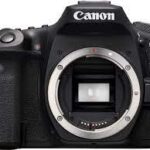
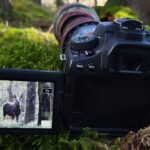
The Canon 90D may not be the most straightforward camera to master, but with patience and dedication, it becomes a reliable and powerful companion.
Featuring a 32.5-megapixel crop sensor, this camera demands more light and faster shutter speeds compared to many others. Consequently, it often requires using higher ISO settings than what most photographers are accustomed to. To minimize noise in your photos, leveraging powerful post-processing software becomes essential. Fortunately, if you enjoy refining your raw files, as I do, this becomes more of an opportunity than a challenge.
As a backup camera, especially for longer trips, I rely on my old Canon 60D. It’s an older model with dated technology, but it still performs exceptionally well. For a backup, it’s more than sufficient.
What I truly miss with my old-school camera bodies are the advanced autofocus features found in modern systems, like eye and animal detection. If I ever decide to upgrade to a newer camera model, that would be the key reason.
Lenses
I currently own five lenses, each chosen carefully within my budget. Financial constraints do play a role, of course. I often dream of owning a Canon 600mm F4, but that might just have to remain a goal for another lifetime.
Sigma 17-50mm f/2.8 (On crop sensor equivalent to 24-70mm)
Primarily utilized for capturing landscapes and interior architecture.
Canon EF 50mm f/1.8 STM (On crop sensor equivalent to 70mm)
A versatile lens known for its sharpness and brightness. Ideal for portraits, group shots, and landscapes.
Canon 100mm F2.8 L IS USM Macro (On crop sensor equivalent to140mm)
Perfect for capturing the intricate details of the tiny critters I encounter on the forest floor. Plus, it doubles as an excellent lens for portrait photography.
Canon 70-200mm f/2.8 II (On crop sensor equivalent to 98-280mm)
An excellent, sharp lens ideal for capturing animals in low-light conditions, such as at dusk or during overcast weather. However, its 200mm focal length may require cropping for distant subjects.
Sigma 100-300mm f/4 (On crop sensor equivalent to 140-420mm)
Rugged and durable, this lens performs decently in low-light conditions. Despite its age, lack of image stabilization, and slower autofocus, it remains a reliable companion in my photography journey.
Sigma 150-600mm F5-6.3 DG OS HSM C (On crop sensor equivalent to 210-840mm)
Exceptionally budget-friendly, this lens offers an impressive 150-600mm zoom range, making it a solid choice for wildlife photography. While it may not deliver the sharpest images or excel in low-light conditions, and its autofocus can be slow and unreliable in dim settings, it still holds great value. I’ve captured countless beautiful shots with this lens, and it’s amazing that Sigma provides a 600mm option at a price point that doesn’t require a fortune to afford.
Teleconverters:
I own two teleconverters, offering a 1.4x and 2.0x magnification. While they’re great for extending your reach, I rarely use them. The trade-off in light loss just doesn’t make them practical for most situations.
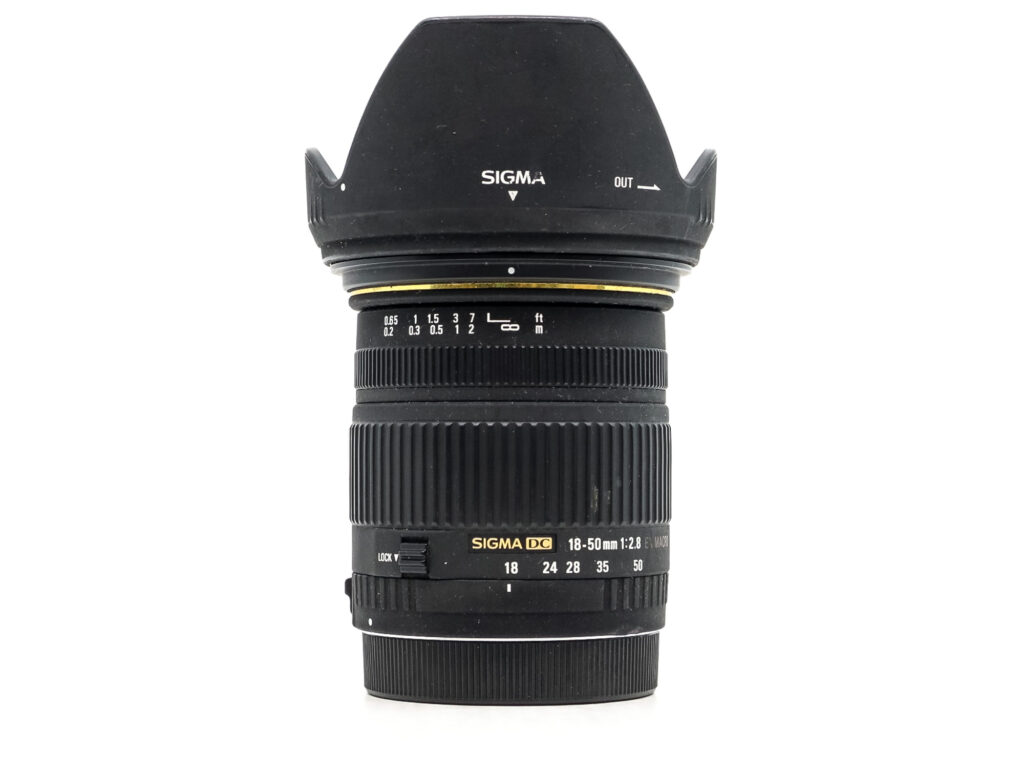
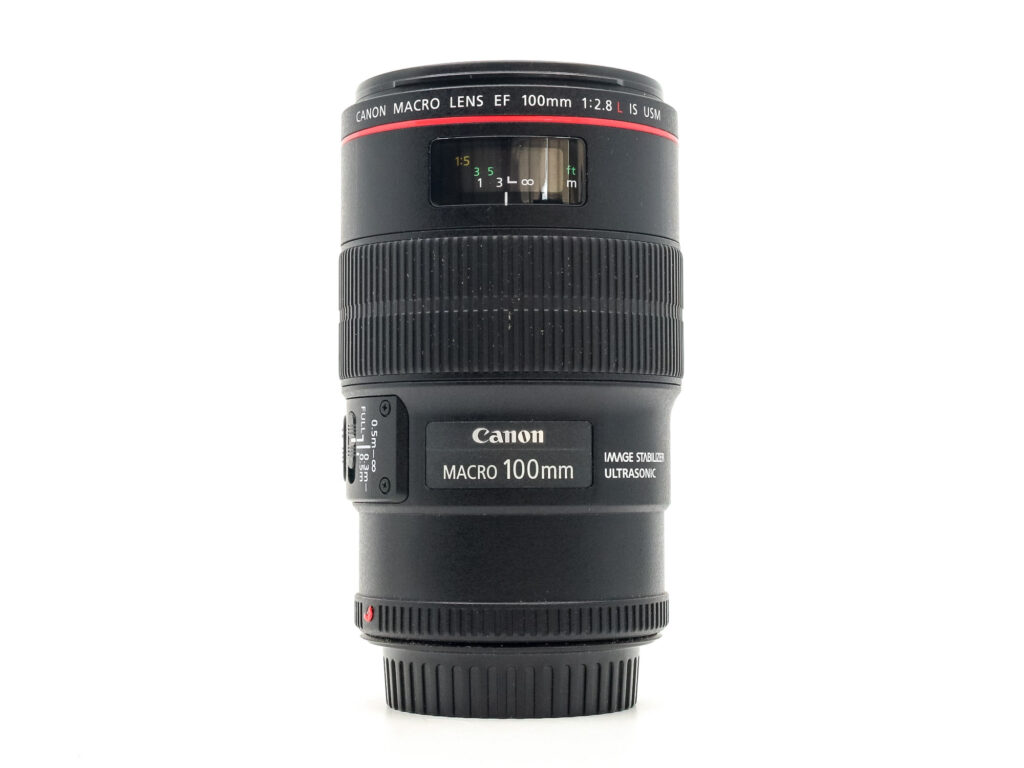
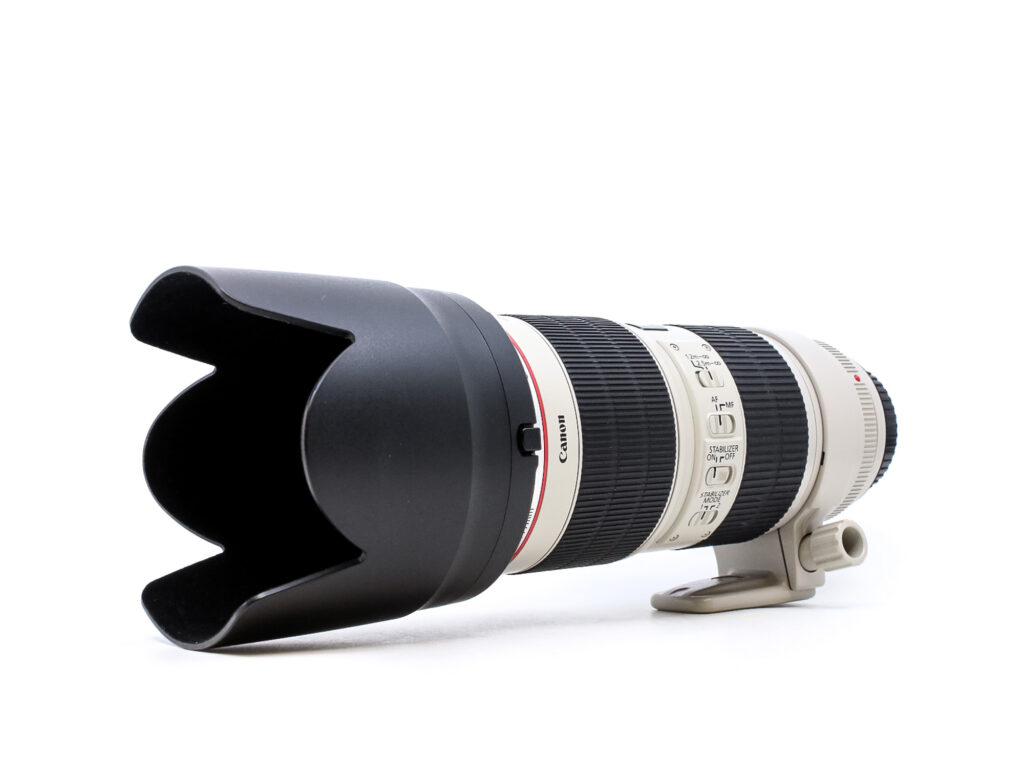
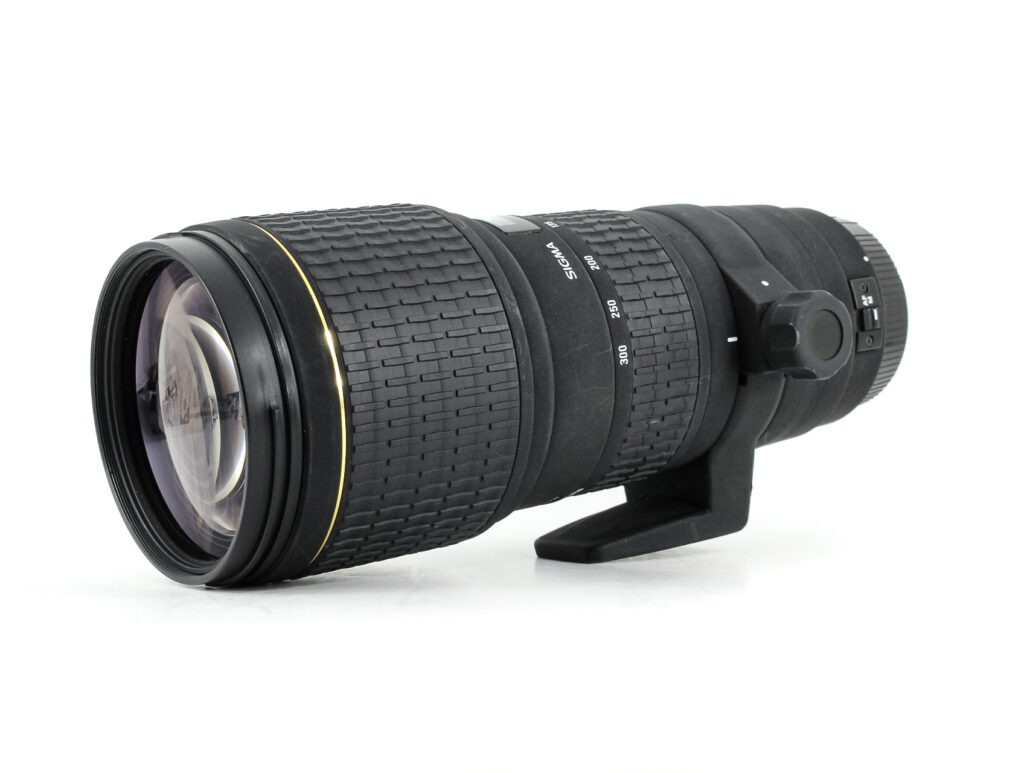
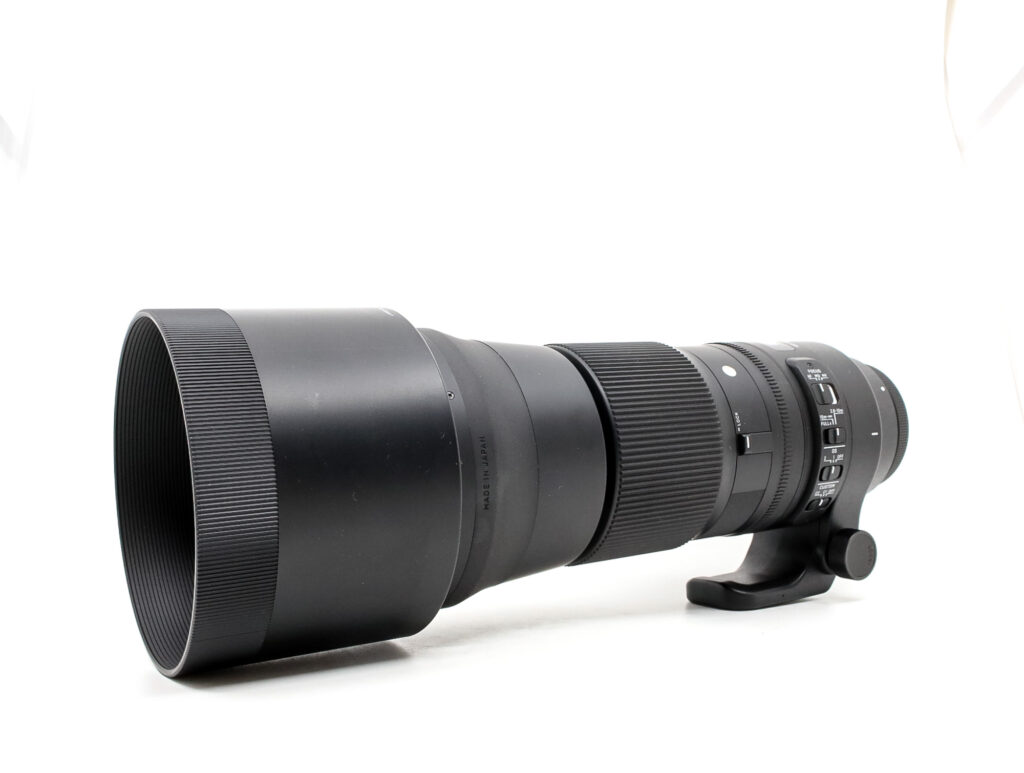
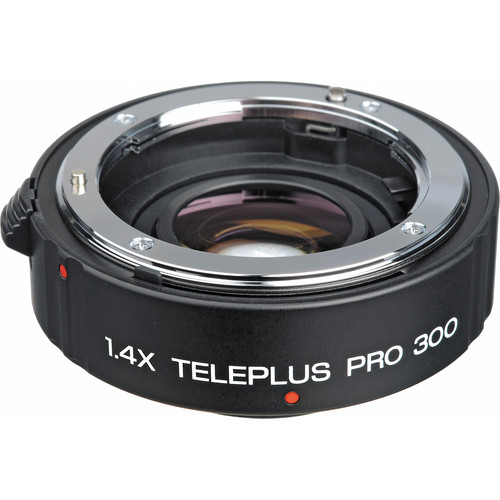
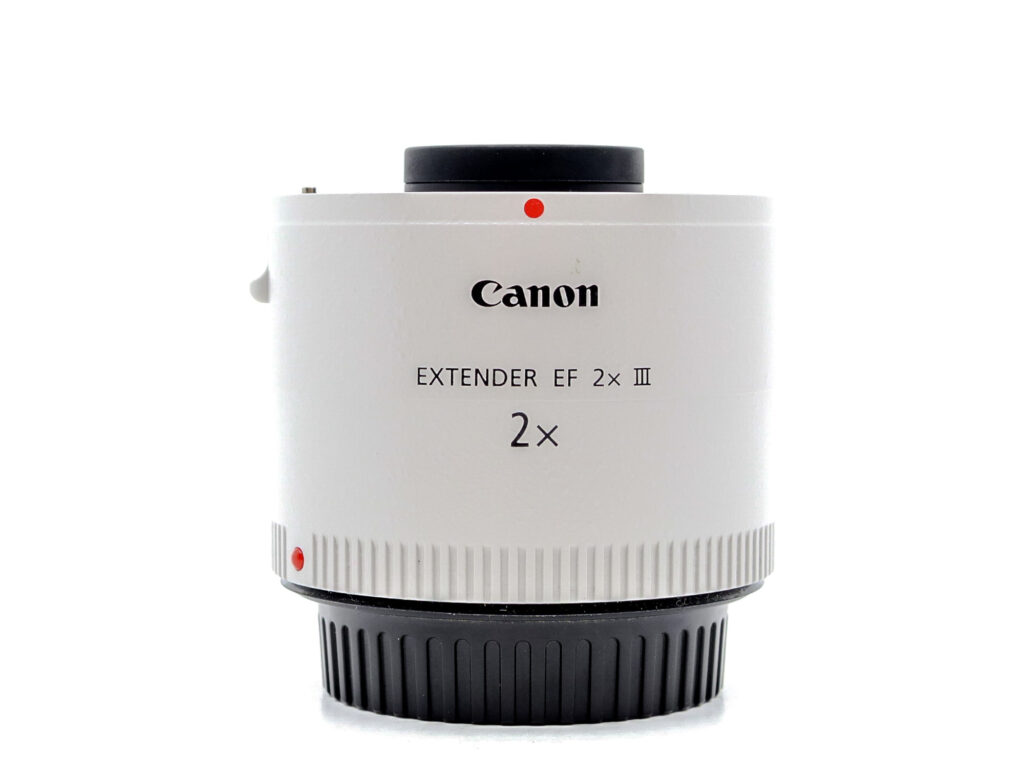
Photo tripod, monopod and groundpod:
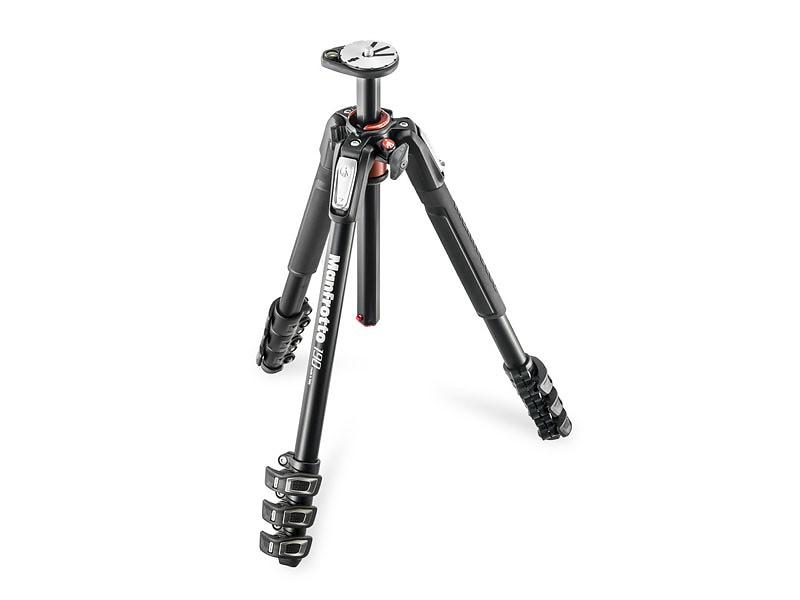
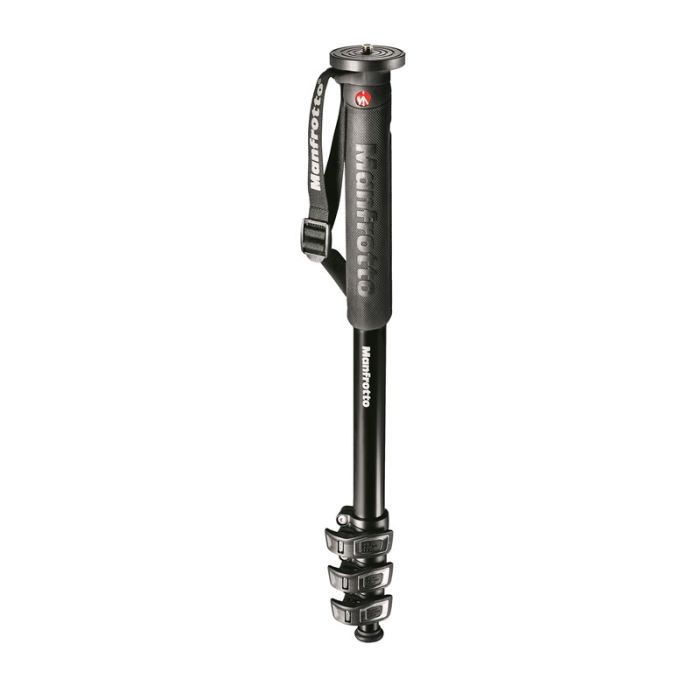
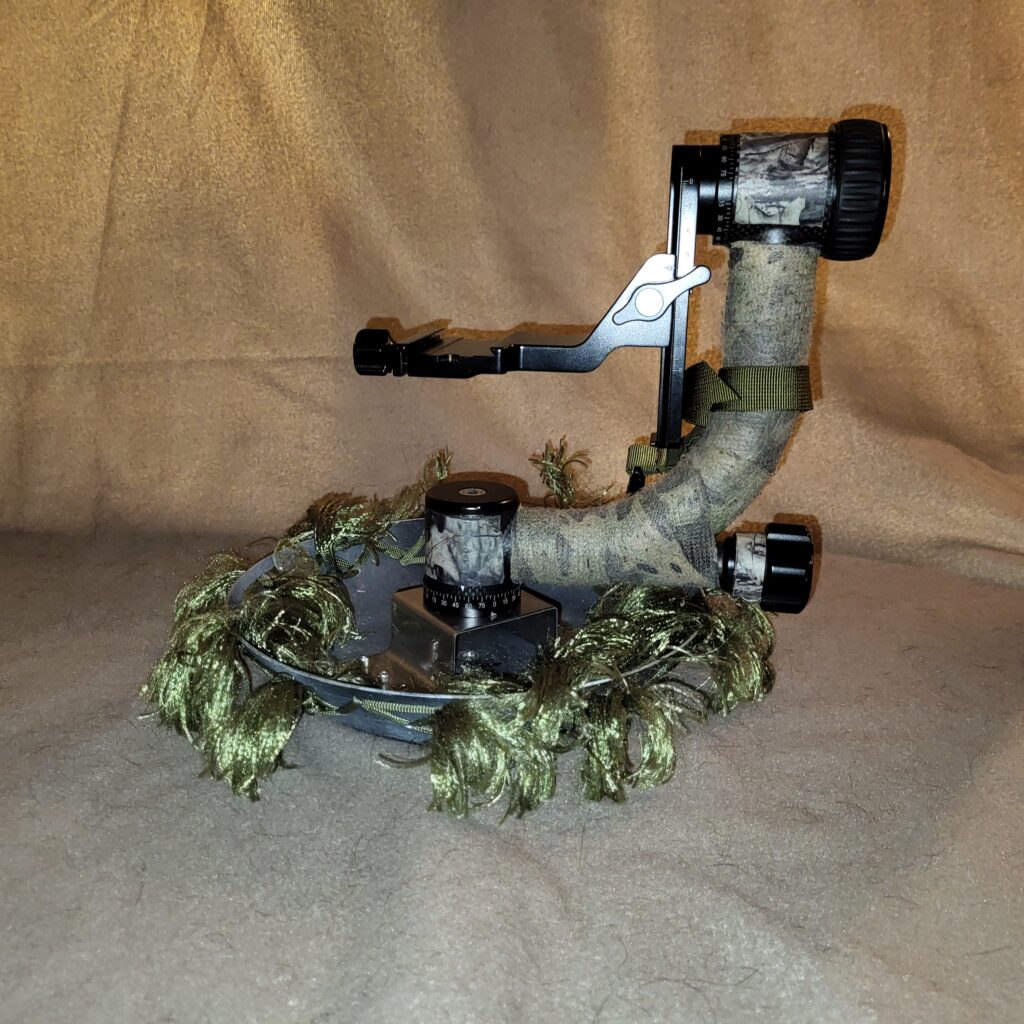
Tripods are essential tools for wildlife photography, but I find myself reaching for a monopod more often. Monopods offer greater mobility, making it easier to reposition quickly and capture the perfect shot. While there are many reputable brands producing high-quality tripods and monopods, I’ve personally opted for Manfrotto products. Ultimately, the key is to select equipment that is durable and suits your specific requirements.
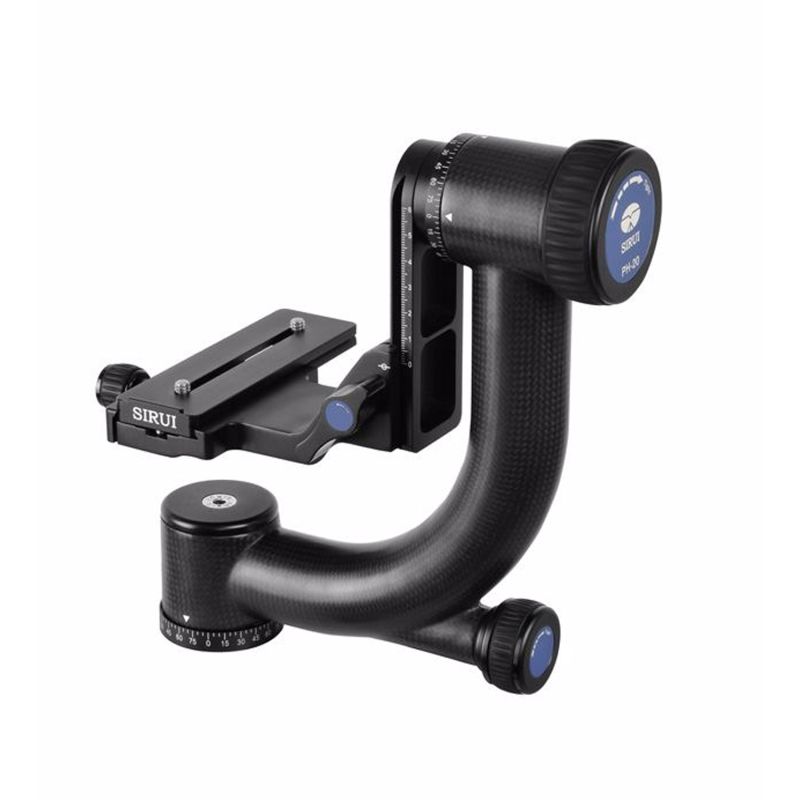
I rely on the Sirui Gimbal PH20 as the head for my tripod, monopod, and even my homemade groundpod. Compared to a traditional ball head, a gimbal head offers a significant advantage. It eliminates the risk of the camera tipping over when you release it.
The Small Stuff:
Essentials
Spare batteries for backup. Extra SD cards for additional storage. USB chargers for off-grid battery charging. Reliable power banks for extended use. Many small items inevitably make their way into your camera backpack over time. Mastering the art of restraint is essential to avoid ending up with a backpack tipping the scales at over 15 kg.
Camouflage
My setup includes two tent-style photohides: a Tragopan V7 Photohide and an AmeriStep Photohide. Additionally, I utilize a custom-made Baghide, crafted from DeerHunter 3D fabric, along with a range of camouflage apparel.
Concealment plays a crucial role in wildlife photography. By remaining undetected, we can observe and capture animals displaying their authentic, natural behaviors.
Camerabags:
To transport all my photography gear, having a reliable backpack is essential. I switch between two options depending on the type of trip.
For demanding expeditions or rugged terrain, I rely on my Berghaus MMPS Spartan 60 FA, a tough, military-grade backpack. I pair it with Peak Design Camera Cubes for organized storage of my equipment.
For shorter outings or when I prefer a less tactical look, I opt for my MindShift Backlight 36L, which combines functionality with a more subtle appearance.