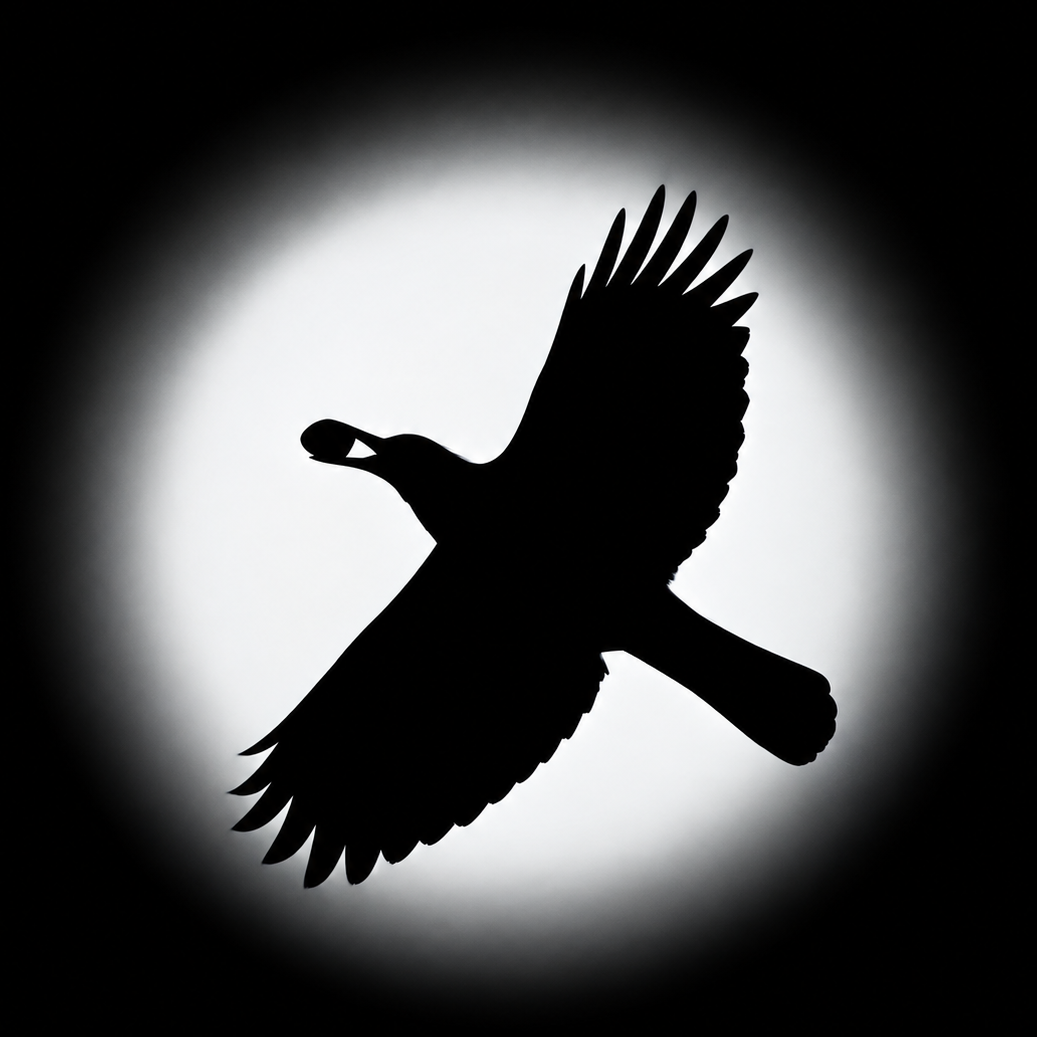
The Dark Forest — Chasing the Light

Deep in the shadows, extraordinary moments are waiting to be discovered.
Wildlife photography in dark forests is all about patience, observation, and learning to see opportunities where others see only darkness.
Deep inside the forest, light becomes a precious commodity. Towering trees and dense canopies swallow the daylight, leaving the woodland floor wrapped in shadows. For wildlife photographers, these conditions can be challenging. But sometimes, the most difficult light creates the most extraordinary photographs.
Deer are particularly fascinating subjects in these conditions. Learning to recognize their movements and find the right position in the forest can make all the difference, as I describe in my article The Art of Finding Deer – A Wildlife Photographer’s Approach.
Wildlife Photography in Dark Forests – Finding the Light
Instead of fighting the darkness, learn to use it.
Look for small clearings where sunlight breaks through the canopy. Explore the edges of the forest, where the darkness meets the open landscape. These natural transitions between light and shadow can create breathtaking photographic opportunities.
Move slowly and quietly through the woodland, keeping your eyes on the places where light touches the darkness. A deer standing motionless at the forest’s edge. A fox emerging from the shadows. The delicate silhouette of a bird perched against a softly illuminated background.
And occasionally, nature offers something truly magical.
A narrow beam of sunlight finds its way through the trees, illuminating an animal for just a fleeting moment. The surrounding forest disappears into darkness, leaving your subject standing in an almost theatrical spotlight.
No artificial lighting. No carefully arranged scene. Just nature, light, and perfect timing.
Because in the darkest corners of the forest, even the smallest touch of light can create something extraordinary.


YOUR TURN – SHARE YOUR EXPERIENCE
Have you ever captured a magical wildlife moment when a single beam of sunlight broke through the darkness of a forest? Or perhaps you’ve discovered that shadows can be just as powerful as light in creating an extraordinary photograph?
I’d love to hear about your experiences! How do you approach wildlife photography in dark forests? Do you search for natural light, embrace the shadows, or experiment with silhouettes? Share your stories, techniques, and favourite moments in the comments below.
After all, sometimes the most beautiful wildlife photographs aren’t created by having more light, but by learning to see the beauty in less.