When exploring nature, spotting wildlife can often be a challenging task.. With heightened senses far superior to ours, animals tend to stay out of sight, either by blending seamlessly into their surroundings or quietly slipping away to avoid detection.
I’ve been reflecting on how I engage my senses while photographing, and I’ve realized it varies significantly depending on the specific situation.
First, let’s identify the primary senses we rely on to explore and experience the natural world:
Sight (Movement – Shape – Color – Contrast)
Hearing (Environmental sounds – Animals sounds)
Smell
Touch
– Sight
When I use my eyes, my vision, I have noticed that depending on the circumstances I look for four different things.
Movement: Our eyes are super good at seeing when something is moving. And it will often be movement that catches our attention first. Even in our peripheral vision, movement will arouse our curiosity and make us adjust our eyes and focus on what was moving.
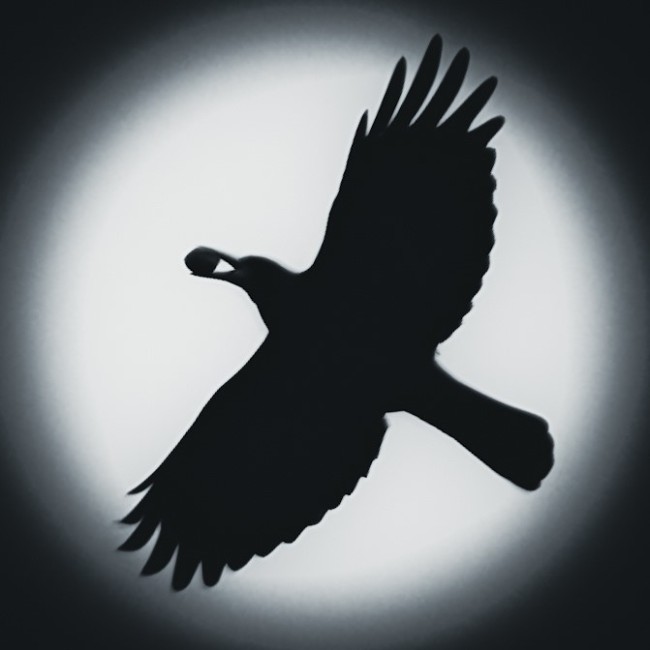
Shape: Shapes, contours, and silhouettes play a crucial role in recognition. For instance, when searching for a hare, our eyes and brain instinctively seek out shapes resembling a hare’s form. This method is highly effective in many cases. However, animals are often partially concealed, and many are experts at adjusting their posture to make their silhouette less recognizable. Still, even in the absence of movement, it is often the form and contour that capture our attention.
Color: While many animals are masters of camouflage, few are so perfectly adapted that they can blend seamlessly into every environment they encounter. Take the red squirrel, for instance. In the vibrant red and orange treetops of autumn, it can be nearly invisible. However, come spring, when fresh green leaves dominate the landscape, the striking red of the squirrel stands out, making it much easier to spot amidst the contrasting greenery.
– Hearing
For most individuals, vision tends to dominate over hearing. However, this shifts in darkness, where hearing naturally becomes the brain’s primary sense. During daylight, we must consciously train ourselves to notice subtle sounds in our surroundings. Our focus is often centered on the area where our eyes are directed. Yet, when a sound like a snapping twig occurs behind or to the side, it demands a deliberate shift in attention to that source. This skill, though initially intentional, can be honed and become more instinctive with practice.
Environment: Nearly all animals interact with their surroundings in ways that produce sound. A twig breaking underfoot. Dry leaves rustling in a bush. Water splashing in the pond.
Understanding animal behavior makes it easier to interpret the various sounds they produce. A small mouse or even a beetle can create a surprisingly loud rustling noise as they move through dry leaves on the forest floor, often making you think it’s a much larger creature. In contrast, a massive moose can glide almost silently through thick underbrush. Despite their horse-like size, moose rarely snap a twig, though their hooves occasionally produce a soft, deep, hollow sound as they tread across the forest floor. Every species leaves behind its own unique auditory signature.
Animal Sounds: Identifying animal sounds can be a fascinating hobby. For many wildlife photographers, birds are a favorite subject, making it essential to study various bird calls. However, even the most dedicated ornithologists cannot identify every bird call. Most of us must be content with recognizing the calls of the most common local species.
When discussing animal sounds in nature, birds often come to mind first. However, many other animals produce distinctive sounds, using them for warnings or communication. While learning the call of a snow leopard might not be useful unless you’re heading to Nepal, familiarizing yourself with the sounds of common animals in your local area, or the places you frequently visit for photography, can be incredibly useful.
Many are surprised when a loud bark echoes through the forest, only to discover it’s not a dog, but a deer emerging from the underbrush. Or the furious chatter of what seems like an angry bird in the treetops, revealed instead to be a squirrel. And let’s not forget the eerie, zombie-like calls rising from the swamp, belonging to none other than the Red-necked Grebe.
Recognizing the sounds of wildlife around you can make planning your photography far more effective.
– Smell
For many wildlife photographers, the importance of scent often goes unnoticed. However, encountering the unmistakable trail of a fox can make anyone pause and take notice. Predators, in particular, carry distinct odors that not only hint at their presence but can even guide us to their dens.
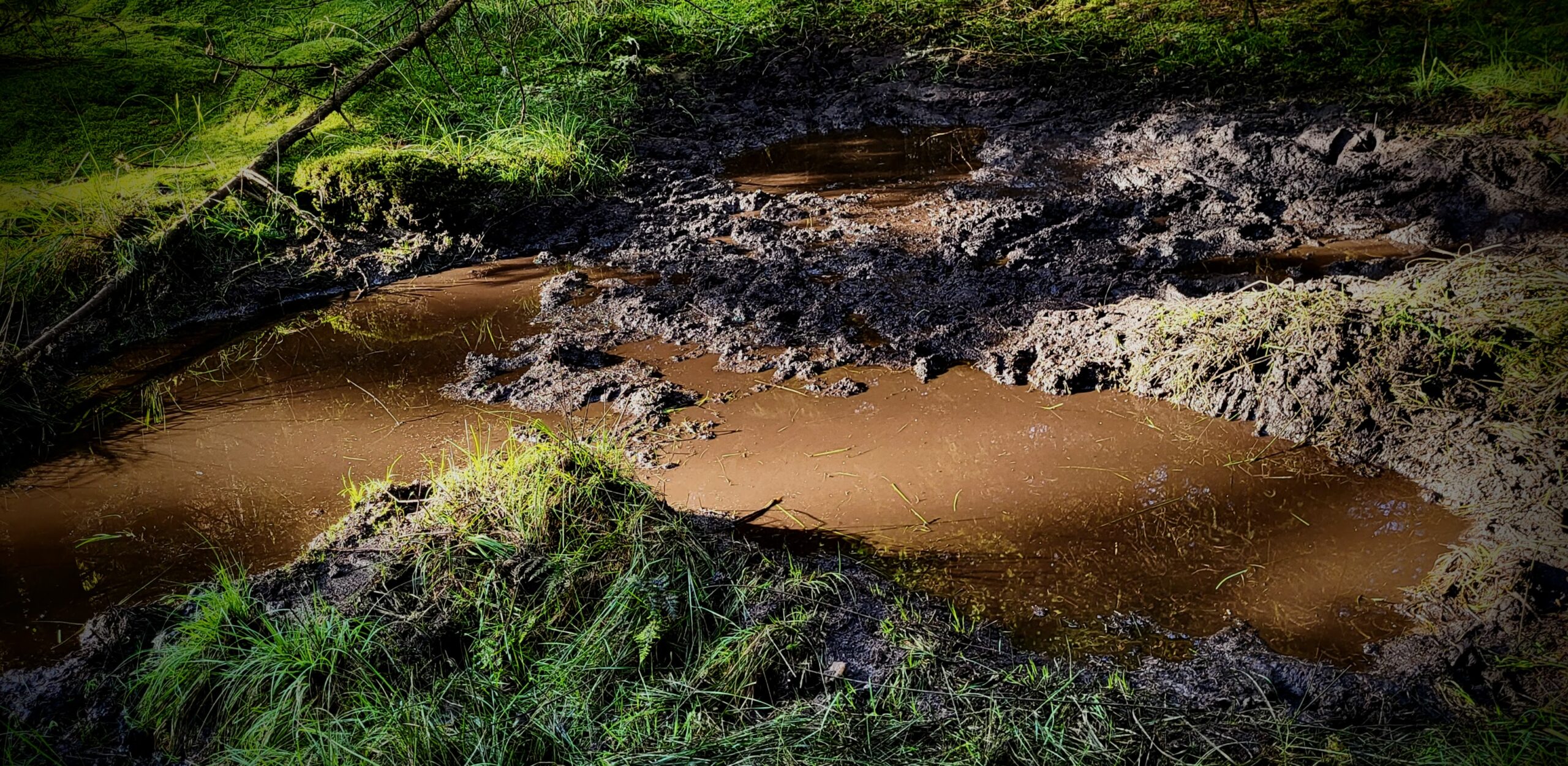
Yet, it’s not just predators, other animal groups also rely on scents that can give away their whereabouts. Take red deer, for instance. Recognizing the pungent aroma of their mud wallows, where they urinate and bathe to attract females during mating season, can be an invaluable clue in the field.Surprisingly, many reptiles and insects emit stronger scents than you might expect.
So, trust your sense of smell the next time you venture out with your camera.
– Touch
As photographers, our sense of touch often takes a backseat. However, when scouting locations, touch can provide valuable insights. For instance, a warm bird’s nest suggests its occupant has recently left, and the same principle applies to a deer’s resting spot in the tall grass.
Grass tunnels and pipe-like burrows near the water’s edge, often created by muskrats or otters, can vary in moisture. A wet tunnel typically indicates recent activity by the animal. Similarly, damp beaver tracks serve as a clue to their recent presence.