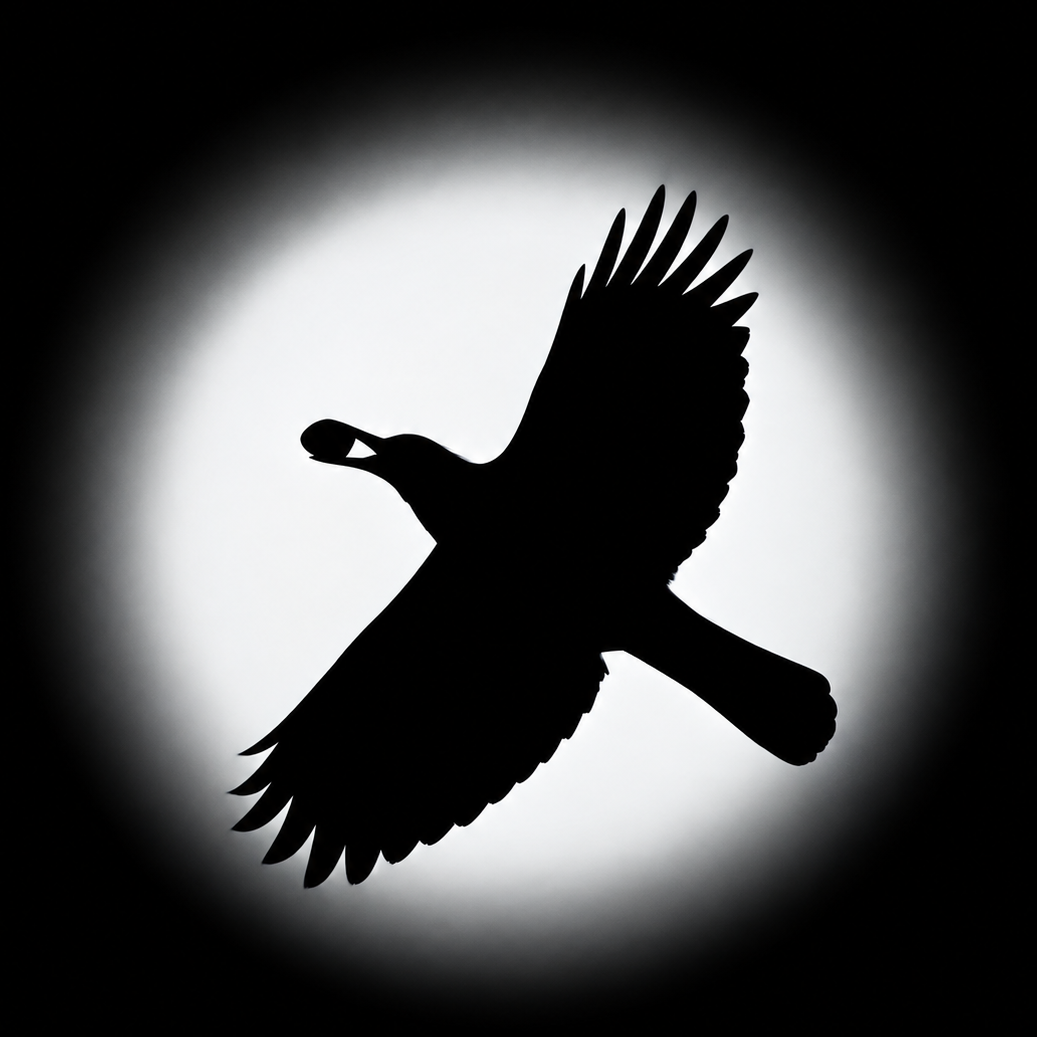
The Art of Waiting — Life Inside a Photo Hide

Sometimes, the best way to find wildlife is to stop looking and let nature come to you.
Some wildlife photographers swear by them. Others wouldn’t dream of using one.
Me? I’m somewhere in between.
A wildlife photography hide opens the door to extraordinary encounters with nature. By remaining hidden, silent and patient, you can observe wild animals behaving naturally and capture intimate moments without disturbing them. The portable photo hide is just one of the tools in my wildlife photography kit. On the water, I take a different approach with my floating photography hide.
Sometimes I prefer to wander through forests, explore unfamiliar terrain, and see what nature has waiting around the next corner. Other times, I choose a completely different approach. I find a promising location, set up my hide, settle in, and wait. And wait … And sometimes… wait a little longer.
Wildlife Photography Hide – The Art of Staying Invisible
Over the years, I’ve learned that successful wildlife photography often begins long before the camera comes out of the bag. Scouting locations, studying animal behavior, and recognizing signs of activity can make all the difference.
I often keep track of promising locations and wildlife encounters, something I explain in my article Mapping the Wild – A Photographer’s Secret Treasure Map.
When I know that a particular animal regularly visits a certain area, a well-positioned photo hide can offer an excellent opportunity to observe and photograph it without drawing unnecessary attention. Foxes and badgers, for example, often follow familiar routes around their territories. With careful planning and a respectful distance from their dens, a hide can provide fascinating glimpses into their daily lives. And then there are the truly spectacular encounters.
The dramatic courtship displays of black grouse and capercaillie are among nature’s most extraordinary performances. Photographing these magnificent birds requires patience, preparation, and absolute respect for their sensitive display grounds.
A carefully positioned hide, used where access is permitted and without disturbing the birds, can open a window into a world that would otherwise remain hidden.
The Comforts of Invisibility
There’s something wonderfully simple about spending hours inside a photo hide. No need to constantly search for the next subject. No rushing from one location to another. Just sitting quietly, watching, listening, and waiting for the unexpected. Of course, a few essentials can make the experience considerably more enjoyable. A sturdy tripod is indispensable. A comfortable chair is almost as important, especially when the hours begin to add up. But let’s not forget the most important piece of equipment. The thermos. Whether it’s filled with steaming coffee, hot tea, or cocoa, a warm drink can turn a cold morning in the wilderness into something surprisingly comfortable. Add a few snacks, warm clothing, and a little patience, and you’re ready for a long day of doing absolutely nothing. Well, almost nothing. Because while you may appear to be sitting still, your senses are working constantly. Every movement in the undergrowth. Every distant bird call. Every subtle change in the landscape could signal that something extraordinary is about to happen.
When Patience Becomes the Adventure
Not every session inside a photo hide ends with a spectacular photograph. Sometimes the animals never appear. Sometimes the light is wrong. And sometimes the only visitor is a curious little bird that lands just outside the hide, completely unaware of the photographer sitting quietly inside. But that’s part of the experience.
Wildlife photography isn’t a performance we can schedule. Nature doesn’t work according to our plans, and the animals certainly haven’t read our shooting lists. We can prepare, anticipate, and hope. But ultimately, nature decides what happens next. And when that long-awaited fox finally steps into the morning light, or a magnificent bird emerges from the shadows, all those quiet hours suddenly feel worthwhile.
Because sometimes, the greatest skill in wildlife photography isn’t knowing when to press the shutter. It’s knowing when to sit still and wait.


YOUR TURN – SHARE YOUR EXPERIENCE
Have you ever spent hours inside a photography hide, waiting for that perfect wildlife encounter? Did your patience finally pay off, or did nature have completely different plans?
I’d love to hear your stories! Whether it’s an unforgettable encounter, a clever hide setup, or a long day when absolutely nothing happened, share your experiences and favourite tips in the comments below.
After all, some of the best wildlife photography stories begin with a comfortable chair, a thermos of coffee, and a whole lot of patience!